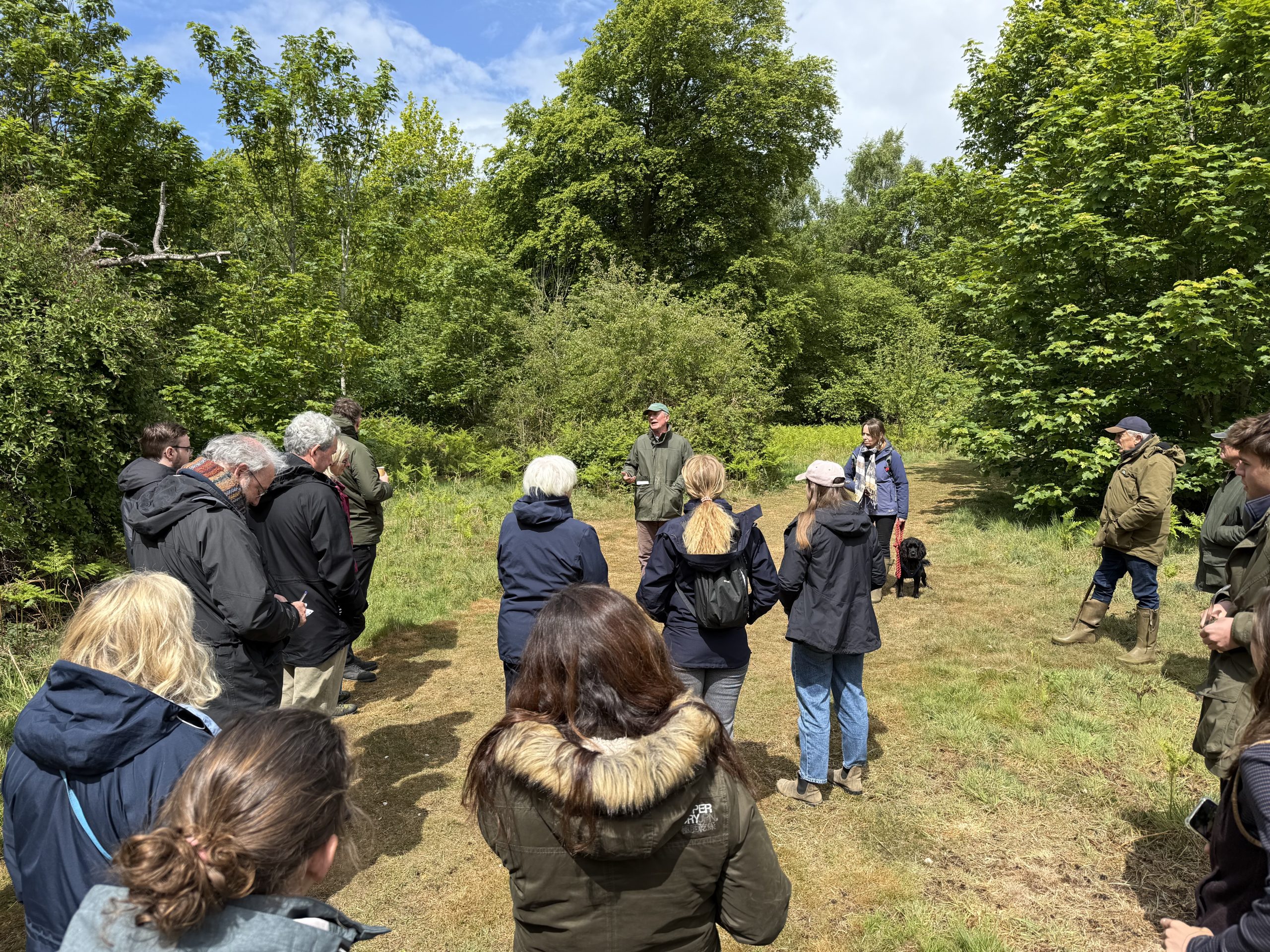
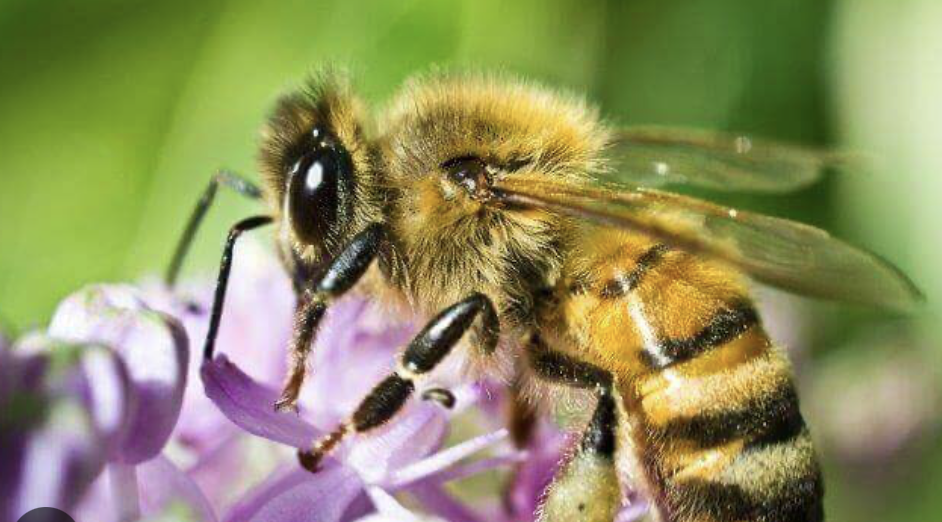
The Bayfield Estate near Holt played host to a group of farmers and land managers from the North Norfolk Coastal group as they took part in a native bee workshop.
This was the second workshop the group has put on which focuses on these fascinating creatures. In September the group was joined by wild bee experts Paula Carnell, Matt Sommerville and Felipe Salbany for a mind-blowing workshop outlining the importance of native, solitary bees as well as a heap of information about their behaviour and habitat requirements.
As a world-renowned expert on wild bees, Paula gave an in-depth talk about bees, including their many beneficial qualities to humans. Pollination is the obvious but bees and their by-products offer many health benefits to humans. Paula’s talk was a wonderful walk through ancient history to modern medicines.
Matt Sommerville and Felipe Salbany brought the practical element to the workshop. Matt has become a leading voice in the creation of wild bee hives. As a carpenter and bee enthusiast, his business BeeKind Hives has combined his two passions. He now travels the UK building nests or hives for bees to recreate the habitats that the human infringement on the natural world has destroyed.
Felipe is the lead conservationist on the Blenheim Estate. While this is an expansive and multi-layered role, Felipe’s chief joy is climbing trees to observe a nesting wild bee. Among the towering tree tops, he has insight into a world that few of us ever get to see.
For the second workshop, attendees spent the day hollowing out wood that came from fallen branches across Roger Coombe’s Bayfield Estate. Before the course even started, Roger had been delighted when Felipe had identified several trees that were more than 1,000 years old. This included one fallen tree that was more than 1,000 years that had several younger trees growing from its trunk – these ‘juniors’ were also several centuries old.
The hollowed out blocks of wood will be positioned across estates and farms within the NNCG landscape and it is hoped that over the coming months or years, we will be able to see bees in greater numbers and with an expansion in the types of bees.
As an addition to this story, Matt is also hopeful that the climate and biodiversity in North Norfolk may attract the Belgium Black Bees as referenced in this Guardian article
Those who joined either workshop are now part of a WhatsApp group so they can share information about native bees they see on their land. It is hoped that we can also start to feed data into a national survey of native bees as