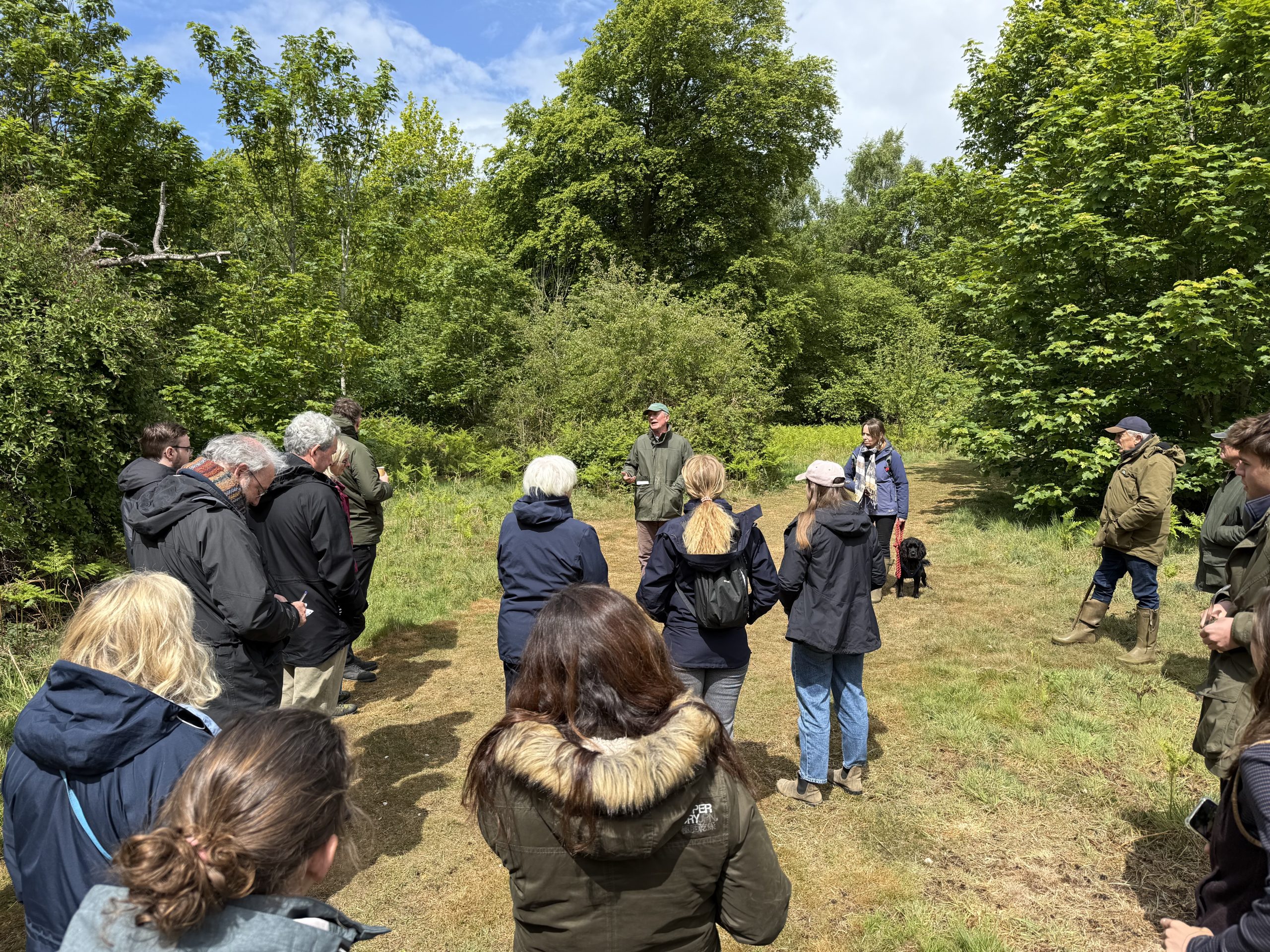
Across Norfolk and Suffolk, farms will be holding Open Farm Sunday events this summer, allowing the public onto their farms to both celebrate British Agriculture and to educate the public on what farming is really about.
Open Farm Sunday, which officially takes place on 7 June, offers farm businesses a valuable chance to connect with consumers and showcase modern British agriculture — but inviting the public onto a working farm brings a very different set of risks. From tractor rides to livestock contact, insurance gaps and poor preparation can lead to expensive claims and reputational damage.
As agriculture continues to face setbacks through government policies and climate change, any chance to celebrate farming is very welcome. Open Farm Sunday is one of the best opportunities of the year to engage directly with the public, challenge misconceptions about farming and highlight the realities of food production and environmental custodianship.
As consumer interest in food provenance, animal welfare and sustainability continues to grow, opening the farm gate can help build trust and strengthen community relationships. It can also support wider diversification ambitions, whether that involves farm shops, vending machines, educational visits or tourism ventures.
But while the industry focus is often on preparing the route, tidying the yard and organising refreshments, insurance and liability considerations can sometimes become an afterthought.
That can be a costly mistake.
A working farm is not designed for public access, and even a well-run event introduces risks that are very different from normal day-to-day farming operations. Slippery concrete, moving machinery, livestock handling areas and uneven surfaces all pose potential hazards to visitors unfamiliar with the farm environment.
Before welcoming the public, farm businesses should review exactly what their existing insurance policy covers — and, just as importantly, what it may not.
Public liability cover needs checking carefully
Most farm insurance policies include public liability cover as standard, but farmers should never assume this automatically extends to every Open Farm Sunday activity.
Insurers need to know precisely what is planned for the event. Activities such as:
- Tractor and trailer rides
- Calf feeding demonstrations
- farm walking tours
- Petting areas
- Catering facilities
- Machinery displays
- Third-party stalls or attractions
can all significantly alter the farm’s risk profile.
One of the most common mistakes is failing to notify insurers that the farm is hosting a public event. If activities have not been disclosed properly and an accident occurs, insurers could potentially restrict or even refuse cover.
That is why farmers should contact their broker or insurer well in advance, outlining expected visitor numbers, planned attractions and whether any contractors or external businesses will be attending.
Each farm presents its own unique visitor risks
Arable farms should make sure all machinery hazards are removed; safety signs are clear and the public are kept clear of any potentially dangerous machines or parts.
Livestock areas naturally create heightened risks around slips, trips and animal behaviour, particularly where young stock or calving areas are involved. Collecting yards, feed passages and parlours can also become hazardous when large numbers of visitors are moving through unfamiliar environments.
Biosecurity is another key consideration.
Farmers should think carefully about visitor routes and whether access to certain areas should be restricted entirely. Simple measures such as physical barriers, supervised access and clearly marked walkways can make a significant difference in reducing risk.
Cleanliness and hygiene are equally important, especially where visitors interact with stock or enter livestock buildings.
Handwashing facilities are essential
One of the biggest liability concerns at public farm events remains zoonotic disease — infections passed from animals to humans.
Diseases such as E. coli O157 and Cryptosporidium continue to pose serious risks, particularly to children. Any farm allowing public access to livestock areas should ensure proper hygiene controls are in place.
Hand sanitiser alone is not enough.
Proper handwashing stations with running water, liquid soap and paper towels should be available at key exit points, with clear signage encouraging visitors to wash thoroughly after animal contact and before eating.
Food and livestock areas should also remain separate wherever possible.
Claims involving illness outbreaks can be substantial, involving legal costs, compensation payments and reputational damage that extends well beyond the event itself.
Tractor rides and machinery displays require extra care
Tractor and trailer rides remain one of the most popular attractions at Open Farm Sunday events, but they are also among the highest-risk activities from an insurance perspective.
Farmers should ensure:
- Trailers are suitable for carrying passengers
- Guard rails and safe access are provided
- Drivers are experienced and briefed
- Vehicles are maintained and roadworthy
- Passenger-carrying activities are disclosed to insurers
The same applies to machinery demonstrations. Visitors should be kept well away from operational equipment, and machinery yards or workshops should not be freely accessible to the public.
It is also important to remember that children may behave unpredictably around livestock and machinery, making supervision and stewarding essential throughout the day.
Food sales and diversification activities
Many farms use Open Farm Sunday to showcase diversification projects, whether that involves a burger van, ice cream production, vending machines, cafés or farm shops.
But food-related activities bring their own insurance exposures, including food poisoning, allergic reactions and product liability claims.
If outside caterers, coffee vans or retail stalls are attending, farmers should request copies of their insurance documentation and ensure responsibilities are clearly understood.
The same principle applies to any third-party attractions such as bouncy castles, climbing walls or petting zoos.
Volunteers still create liability exposures
Family members, neighbours and local Young Farmers clubs often play a vital role in helping Open Farm Sunday events run smoothly.
However, unpaid helpers can still create liability issues if they are injured or inadvertently contribute to an accident involving visitors.
Farmers should check whether employer’s liability cover extends to volunteers and ensure everyone helping on the day receives a clear safety briefing.
Preparation protects both visitors and the farm business
Open Farm Sunday remains a hugely positive initiative for British agriculture and an excellent opportunity for dairy farmers to tell their story directly to consumers.
But successful events rely on more than good turnout and tidy sheds.
Careful planning, robust risk assessments and early conversations with insurers can help farmers avoid unpleasant surprises and ensure the focus remains on promoting the industry — rather than dealing with an uninsured claim after the event.