This is the first in our series of articles looking at each of the Farm Cluster Groups and Landscape Recovery Groups that comprise Cluster Landscape Connect (CLC). Each cluster group has its own individual qualities, style and context but together, we form a network of farm clusters that have both food production and nature recovery at their core.
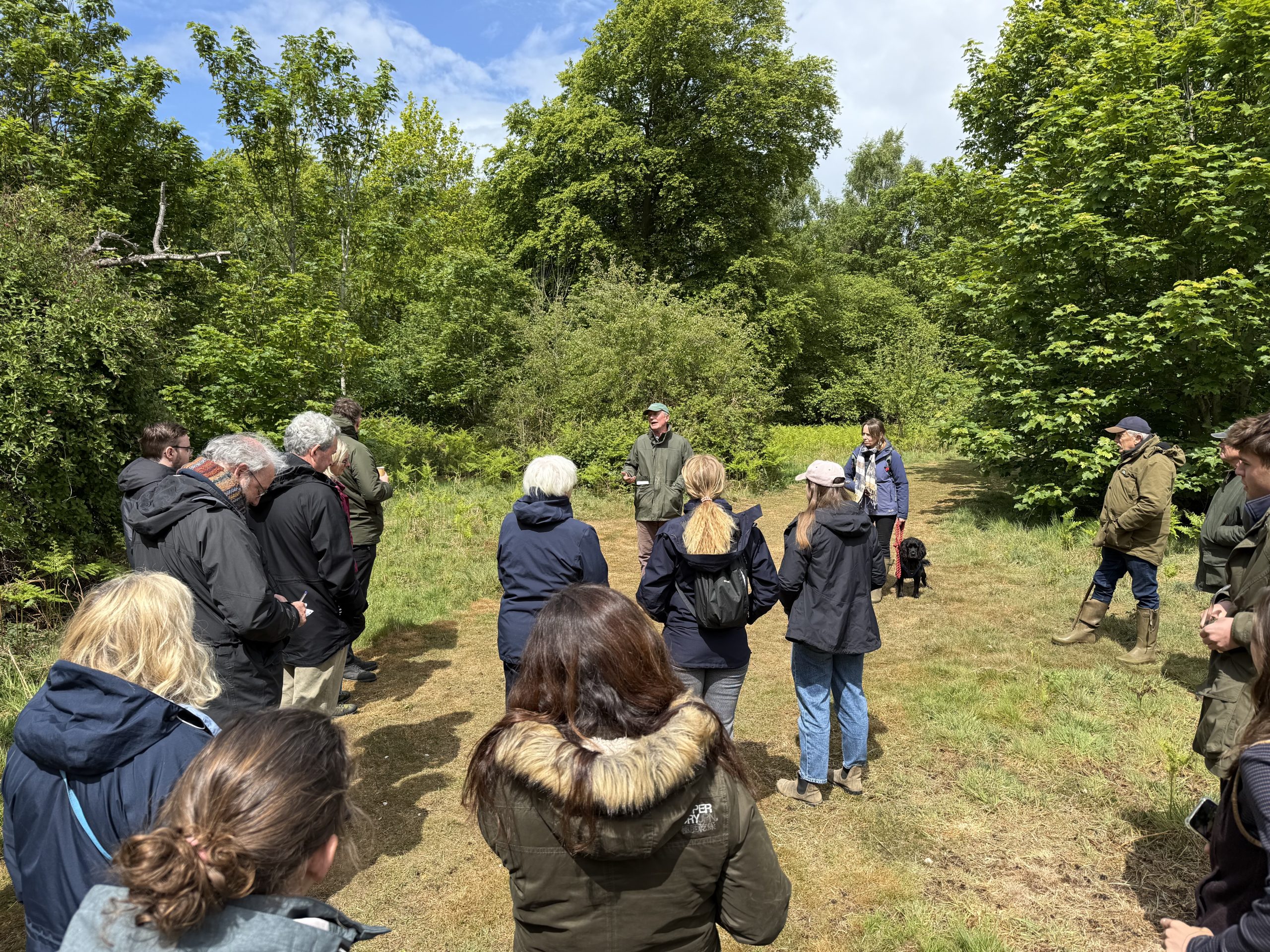
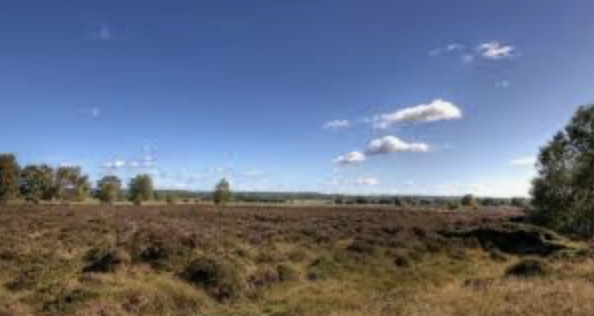
The BFWN comprises 70 farms covering 53,000 hectares in the unique landscape of the Brecklands. The farms range in size and operation from large estates to tenanted properties and smallholdings. High yielding vegetable production sits alongside extensive livestock grazing; conventional farming neighbours organic or regenerative farming.
Following a collaboration with the University of East Anglia’s (UEA) Environmental Research Department, the BFWN has determined that one of its core aims is to work towards conserving specialist Breckland species and restoring biodiversity across the farmed landscape.
UEA research over the past decades has discovered that the light sandy soils over chalk that dominate the Breckland provide a habitat for an incredible 12,856 species with 2,149 species a priority for conservation and 72 species whose UK distribution is restricted to, or has a primary stronghold in this area.
Much of the land in the Brecks has been farmed for more than 6,000 years. Today more than two-thirds of the area is in food production. The aim of this group is threefold:
To protect and enhance the biodiversity of the Brecks
To help shape future policy to benefit this area
To consider current and future impacts and the balance of food production and ecology in the Brecks
One of the key changes that BFWN has made in light of an UEA-produced Biodiversity Audit was to create a means for nature to move across the landscape. To do this, the group, led by farmer and grazier Richard Evans, has created the ‘Harling Biodiversity Corridor’. This initial vision was to establish a habitat corridor by creating a continuous network of cultivated, unsown arable margins linking up Bridgham Heath, Brettenham Heath and Knettishall Heath, which could be used to move livestock between sites.
BFWN has also overseen the restoration and resurrection of several ghost pingos – a geographical feature unique to the area and provides supplementary feeding for turtle doves.
For more information on this pioneering group, click this link.